Source Foldable Orthopedic Crutches for Hospital, Home, Rehab
Explore 30 listings for foldable orthopedic crutches designed for indoor and outdoor mobility support. Compare adjustable heights, aluminum alloy materials, and various certifications like CE and ISO to find the right walking aid for your procurement needs; compare the available evidence and request quotations based on your requirements.
Key considerations
Products List






Comprehensive Sourcing Guide
Foldable Orthopedic Crutches Sourcing Guide
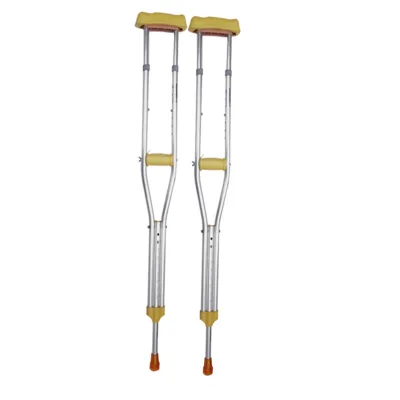
Procuring foldable orthopedic crutches requires a clear understanding of the specific functional attributes observed in the current market, particularly the distinction between single-foot and multi-foot cane designs. Buyers must verify that the selected unit matches the intended user's mobility needs, as the observed product range includes models designed for both indoor and outdoor environments. The material composition is predominantly aluminum alloy, which offers a balance of durability and lightweight portability essential for daily rehabilitation use.
Commercial listings indicate a wide variance in customization options, ranging from non-customized standard units to fully OEM/ODM capable suppliers. This flexibility allows buyers to tailor product specifications, such as color and branding, to their specific distribution channels. However, the presence of varying model numbers like RJ923 and SC-804L suggests that technical compatibility must be confirmed before bulk ordering, ensuring the foldable mechanism aligns with the advertised weight capacity and height adjustability.
Product Scope and Observed Listing Signals
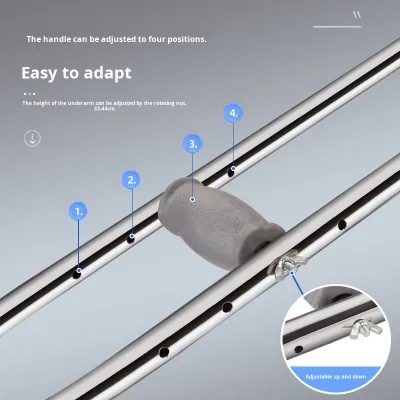
The observed product scope encompasses a diverse array of walking aids, including single-foot and multi-foot canes that serve as primary walking aids for rehabilitation centers, hospitals, and home care settings. Listings frequently highlight adjustable height ranges, such as 72-95cm, which are critical for ensuring proper ergonomic alignment for users of different statures. The inclusion of rubber tips in grey or yellow indicates a focus on slip resistance, a vital safety feature for both indoor flooring and outdoor pavement applications.
Buyers should note that packaging standards vary significantly across suppliers, with some offering individual bagging while others utilize carton packing for bulk efficiency. The observed weight capacity of 100kgs and net weights ranging from 0.5 to 0.9kgs provide a baseline for structural integrity expectations. When evaluating listings, it is essential to distinguish between products marketed for general use and those specifically designed for high-stress environments, as the "High" quality attribute often correlates with the robustness of the folding joints and locking mechanisms.
Technical Specifications to Verify
Technical verification must begin with the physical dimensions and weight distribution of the crutches, as the observed data specifies dimensions of 1900630650mm for certain units, which likely refers to the packaging or a specific large-scale model rather than the cane itself. Buyers need to confirm the actual folded and extended lengths to ensure they meet the user's height requirements without compromising stability. The presence of an LCD display is noted as absent in the observed data, confirming that these are mechanical aids rather than electronic devices, which simplifies maintenance but requires rigorous testing of the mechanical locking systems.
Material consistency is another critical technical parameter, with aluminum alloy being the standard material observed across the product range. This material choice impacts the overall weight and corrosion resistance, particularly for units intended for outdoor use where exposure to moisture is a factor. Buyers should request detailed specifications on the thickness of the alloy and the design of the folding hinges to ensure they can withstand the rated weight capacity of 100kgs without structural fatigue or failure during repeated use.
Compliance and Safety Documentation
Compliance documentation is a non-negotiable aspect of sourcing, with ISO certification appearing as a standard requirement for the majority of observed products. Some listings explicitly mention CE and ISO certifications, which are essential for market entry in Europe and other regulated regions. Buyers must verify that the certification documents are current and issued by accredited bodies, ensuring that the manufacturing process adheres to international quality management standards rather than relying on self-declared compliance.
Safety standards also extend to the specific design features of the crutches, such as the rubber tips and the stability of the multi-foot or single-foot configurations. The observed "One Year Since The Shipment Date" warranty suggests a manufacturer confidence in product durability, but this must be backed by clear terms regarding liability for defects. Procurement teams should ensure that all safety warnings and usage instructions are provided in the target market language, as the application in rehab centers and hospitals requires precise guidance to prevent user injury.
Cost Drivers and Commercial Terms
Cost drivers in this category are heavily influenced by the level of customization and the complexity of the folding mechanism. While the observed price range spans from 0.01 to 20 USD, this wide variance likely reflects differences in material quality, packaging, and order volume rather than a uniform market price. Buyers should be cautious of extremely low-priced items that may compromise on the aluminum alloy thickness or the durability of the rubber tips, as these are critical components for long-term safety and performance.
Commercial terms such as MOQ and lead times vary significantly, with observed MOQs ranging from 1 to 10,000 units. This flexibility allows buyers to test the market with small orders before committing to large-scale production runs. However, the lead time and shipping costs must be factored into the total landed cost, especially since the products originate from China. Buyers should negotiate clear terms regarding payment schedules and the handling of defective units to mitigate financial risk during the procurement process.
Supplier Qualification and Quality Control
Supplier qualification should focus on the ability to provide consistent quality control measures, particularly given the "High" quality attribute observed in the listings. Buyers must assess the supplier's production capacity to ensure they can meet demand without compromising the structural integrity of the aluminum alloy frames. The availability of OEM/ODM services indicates a mature supply chain, but it is crucial to verify that the supplier has a dedicated quality assurance team to inspect the folding mechanisms and weight-bearing components before shipment.
Quality control protocols should include random sampling and stress testing of the crutches to verify the 100kg weight capacity and the stability of the adjustable height settings. The observed "New" condition of the products implies that buyers should receive fresh inventory, but this must be confirmed through pre-shipment inspections. Establishing a clear communication channel for reporting defects and ensuring that the warranty terms are honored is essential for maintaining a reliable supply of orthopedic aids for medical and home care applications.
Long-Term Procurement Checks
Long-term procurement success depends on establishing a robust relationship with suppliers who can maintain consistent product specifications over time. Buyers should regularly audit the supplier's production lines to ensure that the aluminum alloy quality and rubber tip durability remain constant, as these factors directly impact the safety and reputation of the end product. The "Welcome Custom" design option suggests that suppliers are open to iterative improvements, which can be leveraged to enhance product features based on user feedback from rehab centers and hospitals.
Continuous monitoring of market trends and regulatory changes is also vital, as the orthopedic aid sector is subject to evolving safety standards and certification requirements. Buyers should maintain a buffer stock of critical components or finished goods to mitigate supply chain disruptions, given the observed lead times and potential variability in production schedules. By staying informed about the latest developments in folding crutch technology and maintaining strict quality control checks, buyers can ensure a steady supply of reliable walking aids for their customers.
FAQs
What materials are used for these walking aids?
The walking aids are constructed from Aluminium Alloy, providing a lightweight yet durable structure for users. This material choice ensures the canes remain easy to carry while maintaining the necessary strength for daily support. The design supports both indoor and outdoor usage environments effectively.
Can I customize the design of the crutches?
Yes, customization is available for these products. Buyers can request specific designs, colors, or packaging options to meet their brand requirements. The supplier offers OEM and ODM services, allowing for tailored solutions that align with specific market needs or corporate identity standards.
What certifications do these products hold?
These products hold ISO and CE certifications, ensuring they meet international quality and safety standards. The ISO certification confirms adherence to rigorous management and production processes. The CE mark indicates compliance with European health, safety, and environmental protection requirements for medical devices.
What is the warranty period for these items?
The warranty period is one year from the shipment date. This coverage provides buyers with assurance regarding the product's durability and performance during the initial year of use. It reflects the supplier's confidence in the quality of the Aluminium Alloy construction and manufacturing processes.
What is the typical weight capacity for these canes?
The weight capacity is specified as 100kgs for these walking aids. This limit ensures safe usage for a wide range of adult users. The sturdy Aluminium Alloy frame is engineered to support this load reliably, making them suitable for various rehabilitation and daily mobility needs.
How are these products packaged for shipping?
Products are packaged in cartons or individual bags, depending on the specific model and order requirements. Standard packing includes 1PC/Bag or 20PCS/CTN configurations. This flexible packaging approach helps protect the items during transit while optimizing space efficiency for bulk shipments to international destinations.